
What Is Fine Line Tattooing? A Simple Guide for Tattoo Clients
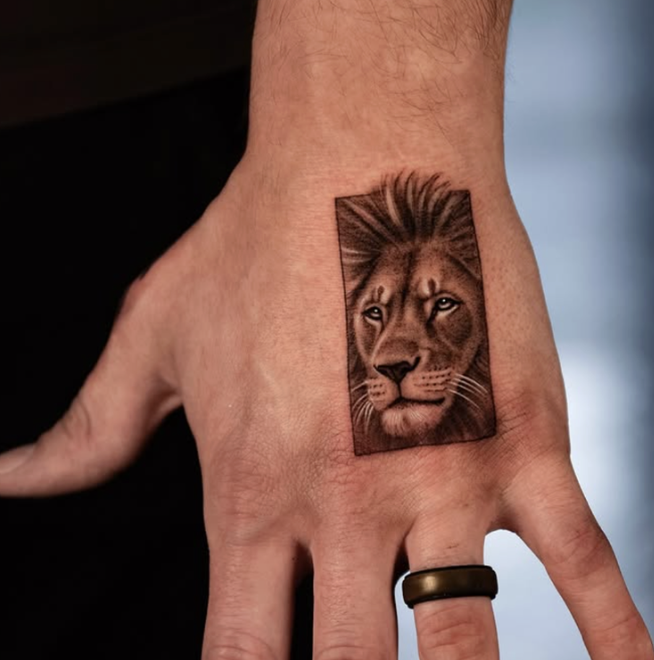
Microrealism lion hand tattoo done by Brian Parrillo in Durham, NC. Done all with a single needle.
“Fine line” is not a style — it’s a method
If you found your way here because you are researching “fine line tattoos in Durham, NC”, you’ve probably seen stunning delicate art and wondered, what exactly does “fine line” mean? Fine line is not a style — it’s a tattooing method that artists use to execute a variety of styles with thin, precise lines.
Fine Line Refers to Technique and Tech, Not Style
When people say “fine line tattoo,” they’re talking about how the tattoo is made — using very thin needles to place delicate, clean lines in the skin. The most common configurations for fine line work are:
1RL (single needle): A single needle for ultra‑thin lines.
3RL (three round liner): Three tightly grouped needles for controlled fine lines.
These tools allow artists to achieve the kind of detail and subtlety you see in intricate script, botanical designs, minimalist icons, illustrative drawings, or even realistic portraits.
So while we often associate fine line with delicate or minimalist looks, any tattoo style can be done using fine line techniques — from illustrative art to realism, microrealism, or custom illustrative compositions.
Why You Hear the Term “Fine Line” So Often
The fine line approach became widely recognized because it contrasts sharply with older tattoo methods that used bold, thick outlines. Instead, fine line tattoos resemble drawings lifted from a sketchbook: subtle, elegant, and exceptionally detailed.
Because the lines are so thin and light, you might see these tattoos described as minimal, feminine, delicate, or soft — but that’s just a by-product of the technique, not the only possibility. Skilled artists can layer shading and detail so that fine line becomes part of a highly complex realism piece or even a microrealistic portrait that looks almost photographic.
Our artist Brian Parrillo uses a 3RL for lots of his tattoos, including using them for building up shading and midtones.
Needles, Machines, and Experience Matter
That’s a big reason why you go to an experienced tattoo artist in the first place. A seasoned professional knows:
When to use a single needle vs. a 3RL grouping vs. something else (and when not to)
How to adjust machine speed and depth so ink heals crisp and clear
How to keep you comfortable during the tattoo
Which technique best serves your tattoo size, placement, and complexity
Fine line work leaves very little room for error, especially when you’re working on tiny text, intricate details, or realism.
Can Any Style Be Done in Fine Line? Yes.
Here’s another myth we want to clear up: fine line is not limited to “minimalist” art. Though fine line is perfect for minimalist symbols, botanical designs, and subtle lettering, the method can also support:
Illustrative tattoos — flowing compositions with artistic linework
Realism and microrealism — highly detailed portraiture and textures
Black and grey or color — depending on the design goals
That’s because fine line just describes the approach to placing ink, not the artistic style itself.
That said, not every tattoo style translates well to fine line technique, for example: American Traditional tattoos.
American traditional tattoos are designed with bold, saturated lines and high contrast. If you tattooed a traditional rose or eagle using a single needle or 3RL, it is obviously possible, but it would lack the punch that makes the style iconic. The result might feel like a watered-down version rather than a faithful interpretation.
This is why fine line is best viewed as a method, not a universal solution. A skilled artist will know when fine line is the right choice, and when a bolder approach better honors the style’s history and purpose.
Fine Line Aging & Longevity
Some people worry that fine line tattoos won’t last as well over time. While it’s true that very thin, lightly placed ink may fade more readily than traditional bold tattoos, a well‑executed fine line tattoo heals and ages beautifully when cared for properly.
Once again, this comes back to technique:
Proper needle depth
Thoughtful placement (avoiding areas of constant friction)
Excellent aftercare
All of these help ensure that delicate lines stay crisp and visible for years, whether you’re getting illustrative art, a tiny number or letter, or a microrealistic portrait.
Final Takeaways
Fine line tattooing is a method, not a distinct style.
Any tattoo style or subject — minimalist, illustrative, realism, microrealism, script, botanical, and more — can be executed using fine line tools and techniques. But that doesn’t mean they all should be, so listen if your artist steers you in another direction.
A skilled artist knows exactly which needles and machines to use to make your tattoo heal cleanly and look great for life.